Benefits of Martial Arts for Neurodiverse Children
Benefits of Martial Arts for Neurodiverse Children
Structured martial arts training can be particularly beneficial for neurodiverse children, including those with autism, ADHD, sensory processing differences, and other developmental variations. Here's how martial arts creates an environment where these children can thrive.
Predictable Structure Reduces Anxiety
Neurodiverse children often thrive with clear routines and expectations. Martial arts classes follow a consistent format—warm-up, technique practice, drills, and cool-down—providing the predictability that helps children feel safe and focused.
Each session begins and ends the same way. Students know what to expect, which reduces anxiety about the unknown. This structured environment allows children to focus on learning rather than worrying about what comes next.
Clear Visual and Verbal Instructions
Martial arts instruction uses multiple learning modalities simultaneously. Instructors demonstrate techniques physically, explain them verbally, and often use visual cues or markers on the floor. This multi-modal approach reaches children regardless of their primary learning style.
For children who struggle with verbal processing, the physical demonstration provides a clear model to follow. For those who need verbal reinforcement, the explanation helps solidify understanding. The combination ensures every child can access the instruction in the way that works best for them.
Individual Progression at Their Own Pace
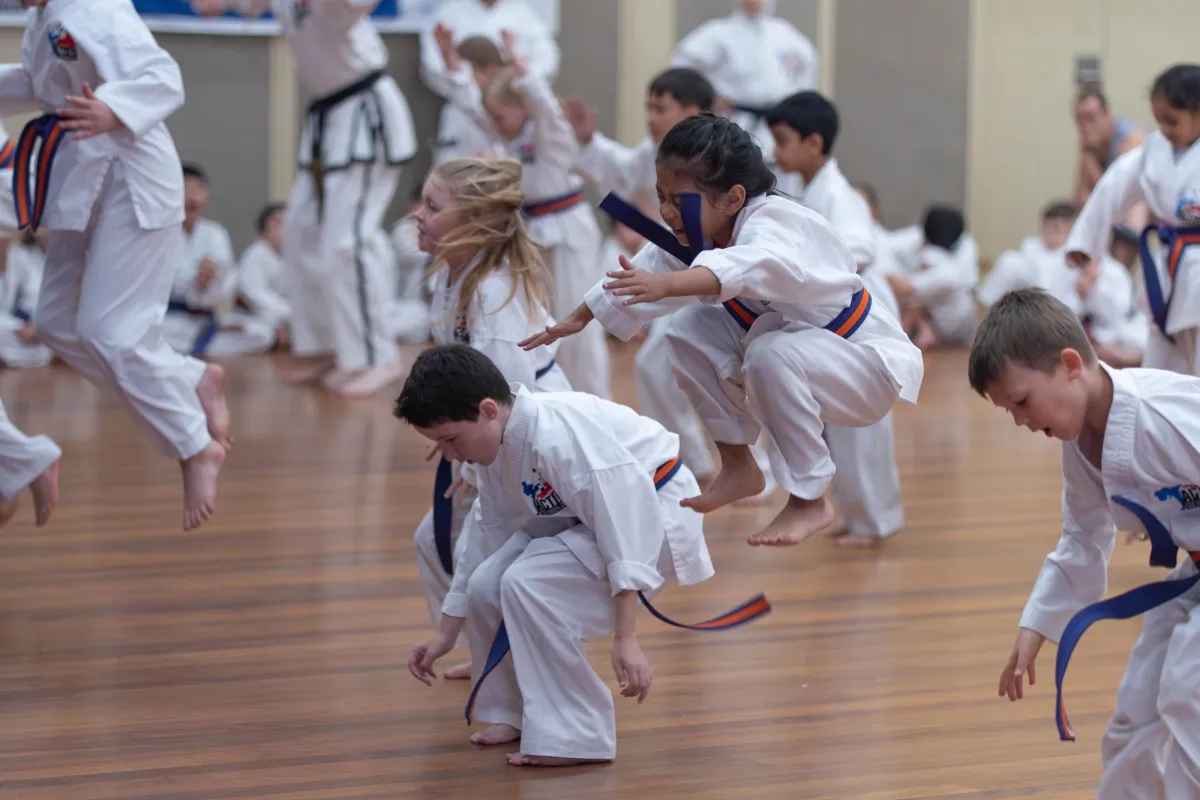
Unlike team sports where a child might feel pressure to keep up with teammates, martial arts is fundamentally an individual journey. Each student progresses through the belt system at their own pace, working toward personal goals rather than competing with classmates.
This removes the stress of comparison and allows neurodiverse children to build skills without the anxiety of letting others down. They can take the time they need to master each technique, celebrating their own achievements without external pressure.
Sensory-Friendly Environment
While martial arts involves physical contact and sensory input, it's structured and predictable. Children know when contact will occur during controlled partner drills. The consistent dojang environment—same space, same layout, same routine—creates familiarity that helps children with sensory sensitivities feel comfortable.
Instructors can also adapt the level of sensory input for individual students. Some children may start with non-contact drills and gradually build tolerance for partner work as they become comfortable.
Building Social Skills in a Supported Context
Martial arts classes provide natural opportunities to practice social interaction within a highly structured framework. Children learn to:
Wait their turn during drills
Work with partners during technique practice
Show respect through bowing and formal greetings
Follow group instructions while working individually
Celebrate others' achievements during gradings
These interactions happen within clear social rules that are explicitly taught and consistently reinforced, making social navigation easier for children who struggle with unspoken social expectations.
Physical Regulation and Self-Awareness
Many neurodiverse children benefit from physical activity to help regulate their nervous systems. Martial arts provides intense physical movement combined with moments of stillness and focus, teaching children to control their bodies and recognize their internal states.
The practice of holding stances, controlling breathing, and executing precise movements builds body awareness. Children learn to channel energy productively and develop the ability to self-regulate through physical activity.
Building Confidence Through Mastery
The belt system provides clear, achievable milestones. Each new belt represents concrete progress that children can see and feel. This tangible measurement of growth builds genuine confidence as children recognize their own capability and improvement.
For neurodiverse children who may struggle in traditional academic or social settings, martial arts offers a space where they can experience success and competence.
Focus and Attention Training
Martial arts classes require sustained attention to instruction, physical practice, and self-monitoring. This isn't passive attention—it's active, embodied focus that many neurodiverse children find more accessible than sitting still in a classroom.
The physical nature of the activity helps channel excess energy while the structured format supports attention. Over time, many children develop improved focus that extends beyond the dojang.
Creating Lifelong Skills
Beyond the immediate benefits, martial arts teaches skills that serve neurodiverse individuals throughout their lives:
Self-discipline and routine
Goal-setting and achievement
Physical fitness and coordination
Stress management through physical activity
Social connection within clear frameworks
These aren't temporary adaptations—they're foundational skills that support wellbeing and independence into adulthood.
Finding the Right Environment
Not all martial arts schools are equally equipped to support neurodiverse children. Look for schools that:
Emphasize individual progress over competition
Have instructors with patience and adaptability
Maintain consistent routines and structure
Welcome questions from parents about accommodations
Focus on personal growth rather than strict uniformity
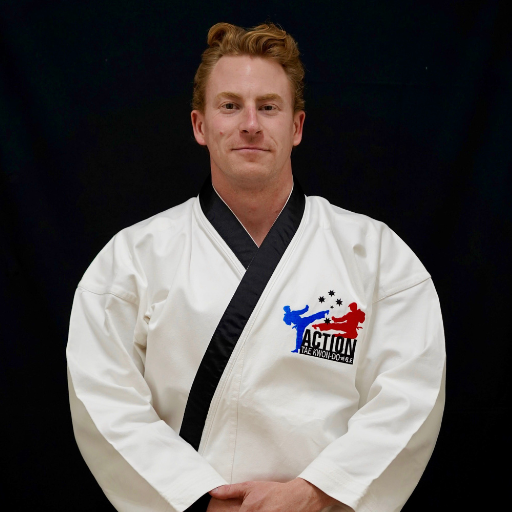
At Action Tae Kwon-Do, we've supported neurodiverse students for over 35 years. Our instructors understand that every child learns differently and creates an environment where all children can thrive at their own pace.
If you're considering martial arts for your neurodiverse child, we welcome you to observe a class and see if our environment feels right for your family.